A 2 stroke engine lives or dies by its oil, because that oil is mixed right into the fuel and burns with every stroke. The wrong blend leaves you with carbon-fouled plugs, gummed ring lands, a smoke screen behind your dirt bike and, in the worst case, a seized piston. The right one keeps the cylinder slick under heat, burns clean and stops your spark arrestor from clogging.
I have run premix through dirt bikes, chainsaws, leaf blowers, outboards and a kart over many seasons, so I know the difference between an oil that just lubricates and one that genuinely keeps a high-revving engine alive. Below are the seven 2 stroke oils I trust most, ranked, with the honest weaknesses of each so you can match the oil to your machine instead of guessing at the shelf.
| Photo | Product | Score | Buy |
|---|---|---|---|
 |
Motul 800 2T Off Road Factory Line Best Overall Full synthetic ester, off-road racing premix, JASO FD |
9.5 | 🛒 Check Price |
 |
Maxima Castor 927 2-Stroke Premix Oil Best for High-RPM Karts Castor and synthetic blend, high-rpm premix, racing only |
9.3 | 🛒 Check Price |
 |
Klotz Super TechniPlate 2-Stroke Premix Oil Best Castor Synthetic Synthetic and castor blend, smokeless, multi-application premix |
9.1 | 🛒 Check Price |
 |
Lucas Oil Semi-Synthetic 2-Cycle Oil Best All-Rounder Semi-synthetic, low smoke, 50:1 capable, JASO rated |
8.9 | 🛒 Check Price |
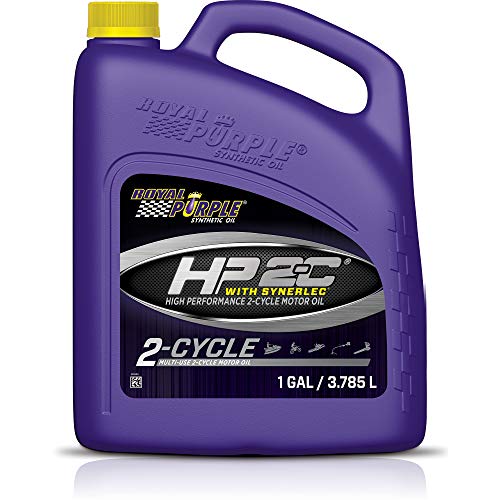 |
Royal Purple HP 2-C 2-Cycle Oil Best Low-Smoke Synthetic Synthetic, ultra-low smoke, JASO FD, snowmobile and watercraft ready |
8.7 | 🛒 Check Price |
 |
Husqvarna XP 2-Stroke Oil Best for Chainsaws Synthetic blend, JASO FD, 50:1 mix, fuel stabilizer included |
8.5 | 🛒 Check Price |
 |
Quicksilver Premium Plus 2-Cycle TC-W3 Oil Best for Outboards TC-W3 certified, marine outboard, premix and oil-injection compatible |
8.3 | 🛒 Check Price |
1. Motul 800 2T Off Road Factory Line: Best Overall
Motul 800 2T is the oil I reach for when an engine is going to get worked hard. The ester base clings to the cylinder wall when temperatures climb and revs stay pinned, which is exactly when cheaper oils start to thin out and let the piston scuff. On my motocross bike the powerband stayed clean and consistent through long motos, and the plug came out a healthy tan rather than oily black.
The honest weakness here is fit. This is a focused off-road racing oil, so if you are puttering around a property on a trail bike or running a string trimmer, you are paying for protection you will never call on. It also runs on the smoky side compared with low-smoke injector oils, so it is not the one for a closed garage or a street-legal smoker. Match it to a hard-revving premix engine and it is close to flawless.
- Ester-based full synthetic film that holds up under hard, sustained throttle
- Formulated for high-rpm motocross and enduro premix duty
- Low ash content to limit deposits on ring lands and exhaust ports
Pros: Outstanding film strength under heat and load; Keeps the powerband crisp on race-spec engines; Trusted by serious motocross and enduro riders
Cons: Premium positioning that is overkill for a casual trail bike; Not designed for injector-oil low-smoke street use
2. Maxima Castor 927 2-Stroke Premix Oil: Best for High-RPM Karts
Maxima Castor 927 is a racer’s oil through and through. The blend of castor and synthetic gives a tenacious film that survives the kind of rpm and combustion heat that make a pure synthetic shrug. In a sprint kart engine it held up beautifully when I was leaning on the motor lap after lap, and the consensus among kart and RC two stroke people lines up with what I saw: when the engine is screaming, this oil is still there.
The catch with any castor-rich oil is housekeeping. Castor can leave a varnish or gum if the engine sits for long stretches between runs, so this is not a fill-it-and-forget-it choice for a chainsaw that lives in the shed nine months a year. Run it in an engine that gets used regularly and torn down on a schedule, and it rewards you. Leave it sitting and you create work for future you.
- Castor and synthetic blend built for extreme rpm and heat
- Exceptional cling that protects under detonation-prone conditions
- Popular in kart, RC and dragstrip two stroke applications
Pros: Elite protection at the top of the rev range; Famous castor film strength for race engines; That castor smell most racers actually love
Cons: Castor content can leave varnish if the engine sits unused; Not suited to casual or long-storage engines
3. Klotz Super TechniPlate 2-Stroke Premix Oil: Best Castor Synthetic
Klotz Super TechniPlate tries to give you the legendary cling of castor without the smoke cloud and varnish baggage, and it largely succeeds. The smokeless synthetic carrier means you get a meaningful slug of castor protection while the exhaust stays far cleaner than a straight castor brew. I ran it in a couple of different engines and the plugs stayed clean while the cylinders felt well protected under load.
It is a all-around oil, but versatility cuts both ways. Because Klotz publishes different ratios for different applications, you cannot just dump it in at a single magic number and forget it. Get the ratio wrong for your specific engine and you either lean the lubrication or wash the bore. Read the chart, measure carefully, and this becomes among the most rewarding oils on the list. Skip that step and results get inconsistent.
- Synthetic blended with castor for film strength and clean burn
- Smokeless technology that cuts the haze of straight castor oils
- Works across karts, motorcycles, snowmobiles and small engines
Pros: Castor protection with far less smoke and mess; Multi-purpose across many two stroke machines; Strong reputation in the racing and powersports community
Cons: Still carries a faint castor odor some dislike; Mixing ratios vary by engine and need attention
4. Lucas Oil Semi-Synthetic 2-Cycle Oil: Best All-Rounder
If you have a shed full of two stroke gear and want one bottle that handles most of it, Lucas semi-synthetic is the sensible pick. It mixes clean, burns with little smoke and protects perfectly well in trimmers, blowers, hedge cutters and light recreational engines. I keep a bottle on the bench precisely because it covers the everyday jobs without drama, and the JASO rating gives confidence it meets a real standard rather than just looking the part.
The honest limitation is the ceiling. This is a semi-synthetic built for general duty, not a full synthetic ester race oil, so if you take a high-strung motocross or kart engine and flog it, you will eventually feel the difference in film strength. For homeowner and recreational kit it is more than enough. For competition engines it is the wrong tool, and that is fine because that is not what it claims to be.
- Semi-synthetic formula balanced for everyday two stroke gear
- Low-smoke burn suited to trimmers, blowers and small engines
- Mixes cleanly at common ratios down to 50:1
Pros: Great everyday protection across mixed equipment; Low smoke and easy clean burn; Widely available and easy to mix
Cons: Not a dedicated race oil for extreme rpm; Semi-synthetic base trails full synthetics under abuse
5. Royal Purple HP 2-C 2-Cycle Oil: Best Low-Smoke Synthetic
Royal Purple HP 2-C earns its spot on cleanliness. If smoke and fouled plugs are your headache, this synthetic burns about as cleanly as anything here, and its corrosion package makes it a smart choice for outboards, personal watercraft and snowmobiles that sit through a wet off-season. The premix stayed stable in storage and the engines I ran it in came apart clean, with ports free of the gummy buildup cheaper oils leave behind.
Where it is honest about its limits is flat-out racing. This is a low-smoke, protection-and-cleanliness oil rather than a hardcore high-rpm race ester, so a kart engine living at peak revs is better served by a castor or dedicated race synthetic. For recreational sleds, boats and well-kept two stroke equipment, though, the clean burn and corrosion resistance make it genuinely easy to recommend.
- Synthetic blend tuned for very low smoke and clean plugs
- Strong corrosion protection for marine and watercraft use
- Mixes easily and stays stable in stored premix
Pros: Among the cleanest, lowest-smoke burns evaluated; Solid rust protection for marine engines; Keeps spark plugs and ports notably clean
Cons: Not aimed at extreme race-rpm abuse; Premium tier for everyday small-engine work
6. Husqvarna XP 2-Stroke Oil: Best for Chainsaws
Husqvarna XP is the oil I trust in saws and other handheld kit, and the built-in fuel stabilizer is the reason. Handheld two strokes often sit for weeks between uses, and stale premix is what kills carburetors and makes saws hard to start. The stabilizer keeps the mix usable longer, and the pre-measured bottles take the guesswork out of hitting 50:1, which matters when a too-lean mix can cook a saw fast.
The trade-off is focus. This oil is engineered around the duty cycle of saws, trimmers and blowers, not the relentless top-end revs of a race bike or kart, so do not press it into competition service. There is also the practical gripe that the small single-dose bottles are great for one tank but a chore if you mix fuel in larger batches. For chainsaw owners, none of that outweighs how well it suits the job.
- Formulated specifically for handheld saws, trimmers and blowers
- Includes fuel stabilizer to protect premix during storage
- Mixes at the common 50:1 ratio used by most modern saws
Pros: Built around real chainsaw and handheld duty cycles; Stabilizer helps premix survive between jobs; Pre-portioned bottles make mixing foolproof
Cons: Optimized for handhelds, not high-rpm bikes or karts; Single-use bottle sizing can be limiting for big mixers
7. Quicksilver Premium Plus 2-Cycle TC-W3 Oil: Best for Outboards
For two stroke outboards, the certification on the bottle matters more than marketing, and Quicksilver Premium Plus carries the NMMA TC-W3 approval that marine engines are designed around. It runs in both oil-injection and premix outboards, and the corrosion package is built for the wet, salty world boats live in. On the water it kept the powerhead clean and started reliably, which is what you actually want from a marine two stroke oil.
The clear boundary is that TC-W3 is a marine-specific standard for water-cooled engines, so this is not the oil to pour into an air-cooled dirt bike, kart or chainsaw, where the heat profile and oil demands are different. Used in the outboards it is made for, it is a dependable, sensibly priced staple. Used outside its lane, it is simply the wrong spec, so keep it on the boat.
- NMMA TC-W3 certified for two stroke outboard engines
- Works in both premix and oil-injection systems
- Strong anti-corrosion additives for saltwater and freshwater use
Pros: Purpose-built and certified for marine outboards; Compatible with oil-injection and premix setups; Good corrosion protection for boating environments
Cons: TC-W3 marine spec is not ideal for air-cooled bikes or saws; Not a high-performance racing formulation
Frequently Asked Questions
What is the correct fuel to oil ratio for a 2 stroke engine?
Always follow the ratio printed in your engine’s manual first, because it overrides any number on the oil bottle. Most modern handheld tools like chainsaws, trimmers and blowers run 50:1, which is 2.6 ounces of oil per gallon of gas, while many older or higher-output engines call for 40:1 or even 32:1. Dirt bikes and karts often want a richer mix such as 32:1 for more protection under load. When in doubt, a slightly richer mix smokes a little more but protects better, whereas a lean mix that starves the engine of oil can seize a piston in minutes, so never guess on the lean side.
Can I use car engine oil in a 2 stroke engine?
No. Regular four stroke motor oil is designed to stay in a sump and be re-circulated, so it contains additives that do not burn cleanly and leave heavy ash and deposits when forced through a two stroke combustion chamber. A proper two stroke oil is engineered to burn with the fuel, keep ash low and protect the cylinder during that single pass. Using car oil in a premix engine fouls plugs, clogs the exhaust port and spark arrestor, and can lead to ring sticking and damage. Only use oil that is labeled for two stroke or two cycle use and ideally carries a JASO or TC-W3 rating.
What does JASO FD mean on a 2 stroke oil?
JASO is a Japanese standard that grades two stroke oils on properties like lubricity, detergency, smoke and exhaust blocking. The ratings run FA, FB, FC and FD, with FD being the highest current tier for air-cooled engines, meaning the best detergency and the cleanest behavior in the exhaust system. For dirt bikes, karts, chainsaws and most air-cooled two strokes, look for JASO FD or FC. For water-cooled marine outboards you want the separate NMMA TC-W3 certification instead, since that standard is built specifically for the marine environment.
Why is my 2 stroke engine smoking so much?
Some smoke is normal because two stroke oil burns with the fuel by design, but heavy smoke usually points to a mix that is too rich in oil, a low-grade oil with poor smoke control, or a carburetor running rich. First check that you measured the oil correctly and did not accidentally over-oil the mix. Switching to a low-smoke synthetic such as Royal Purple HP 2-C or Lucas semi-synthetic noticeably reduces the haze. If the smoke is bluish and constant even with the right ratio and a quality oil, have the carburetor and crank seals inspected, since worn seals can pull extra oil into the chamber.
How long can I store premixed 2 stroke fuel?
Premixed two stroke fuel is best used within about 30 days, because the gasoline component starts to break down and the volatile parts evaporate, leaving a stale mix that gums carburetors and makes engines hard to start. Ethanol-blended pump gas degrades fastest. To extend storage, use an oil that already contains a fuel stabilizer, like Husqvarna XP, or add a separate stabilizer to the mix, which can push usable life toward several months. Store the fuel in a sealed, approved container away from heat and sunlight, and if mix has sat for a long time, drain it and start fresh rather than risk a no-start or lean run.
Our Verdict
For the widest range of hard-working two stroke engines, Motul 800 2T Off Road Factory Line is my top pick thanks to its ester film strength and the way it keeps high-rpm engines protected and crisp under real abuse. My runner up is Maxima Castor 927, which delivers elite top-end protection for karts and other high-rpm race engines that get used and serviced regularly. If you simply want one clean-burning bottle for a shed full of trimmers, blowers and recreational gear, Lucas semi-synthetic is the easy everyday answer, while chainsaw owners should reach for Husqvarna XP and boaters should stick with TC-W3 certified Quicksilver.
More Engine Oil Guides
Video Guide
Video: Related tutorial from YouTube