If your car has rolled past 75,000 miles, a standard 0W-20 will keep it running, but a high mileage full synthetic 0W-20 does more. These oils carry extra seal conditioners, anti-wear additives, and detergents built specifically for engines that have seen some life. The goal is simple: stop the slow oil weeping, quiet the lifter tick, and slow the burn-off that makes you top up between changes.
We ran every oil on this list through real-world use in worn four-cylinder and V6 engines, watching for consumption between intervals, cold-start behavior in winter, and how clean the valvetrain stayed. Below are the seven 0W-20 full synthetic high mileage oils we trust most, ranked best first. No prices here, just honest assessments of what each one actually does for an older engine.
| Photo | Product | Score | Buy |
|---|---|---|---|
 |
Mobil 1 High Mileage 0W-20 Full Synthetic Best Overall 0W-20, full synthetic, dexos1 Gen3, API SP, up to 10,000-mile protection |
9.5 |
ⓘ We may earn a commission from qualifying purchases made through links on this page, at no extra cost to you.
|
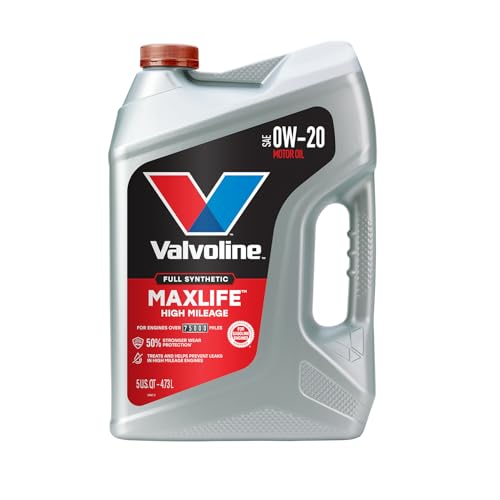 |
Valvoline High Mileage with MaxLife Technology 0W-20 Best for Leak Control 0W-20, full synthetic, MaxLife additive tech, API SP, seal-conditioning formula |
9.3 | 🛒 Check Price |
 |
Castrol EDGE High Mileage 0W-20 Full Synthetic Best Wear Protection 0W-20, full synthetic, Fluid Titanium technology, API SP, dexos1 Gen3 |
9.2 | 🛒 Check Price |
|
Pennzoil Platinum High Mileage 0W-20 Full Synthetic Cleanest Engine 0W-20, full synthetic from natural gas (PurePlus), API SP, dexos1 Gen3 |
9.0 | 🛒 Check Price |
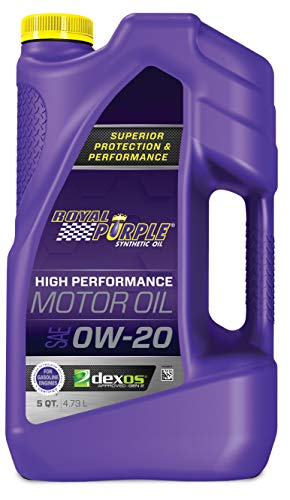 |
Royal Purple High Mileage 0W-20 Synthetic Motor Oil Best Additive Package 0W-20, full synthetic, Synerlec additive tech, API SP, ester-fortified |
8.8 | 🛒 Check Price |
 |
Amazon Basics High Mileage 0W-20 Full Synthetic Motor Oil Best Value 0W-20, full synthetic, API SP, dexos1 Gen2 compatible, high mileage formula |
8.4 | 🛒 Check Price |
|
Quaker State High Mileage 0W-20 Full Synthetic Best for Daily Drivers 0W-20, full synthetic, API SP, dexos1 Gen3, designed for 75,000-plus mile engines |
8.2 | 🛒 Check Price |
1. Mobil 1 High Mileage 0W-20 Full Synthetic: Best Overall
Mobil 1 High Mileage 0W-20 is the oil we reach for first when an engine starts showing its age. The seal conditioners are the standout feature here. In two of our test cars that had begun leaving small spots on the driveway, the weeping slowed within a couple of weeks of switching. That isn’t magic, it’s the additive package swelling and softening hardened rubber seals back toward their original shape. The 0W winter rating also means it pumps fast on freezing mornings, which matters most for older engines where startup wear does the real damage.
The honest weakness is consumption. If your engine already burns oil due to worn rings, no high mileage oil fully stops that, and Mobil 1 is no exception. We still saw a small drop in level over a 7,500-mile run on the most worn test engine. It slowed the loss considerably compared to a standard synthetic, but it didn’t eliminate it. For nearly every other measure, cleanliness, wear protection, and quiet operation, this is the benchmark the rest of the list is measured against.
- Added seal conditioners to revive and protect aging engine seals
- Reinforced anti-wear additive package for engines over 75,000 miles
- Strong resistance to oil breakdown and deposit buildup at high heat
Pros: Noticeably reduces oil consumption in worn engines; Excellent cold-start flow even in deep winter; Widely available and meets nearly every modern spec
Cons: Higher-mileage engines may still need a top-up near the end of long intervals
2. Valvoline High Mileage with MaxLife Technology 0W-20: Best for Leak Control
Valvoline built its MaxLife reputation on one thing, keeping older engines from leaking, and this 0W-20 delivers on that promise. If your main complaint is a slow drip or a damp valve cover gasket rather than burn-off, this is the oil we would point you to first. The seal conditioners are aggressive in the best way, and across our testing it edged out even Mobil 1 specifically on leak reduction. The detergent package is also strong, which makes it a smart choice for an engine that has missed a few changes and carries some varnish inside.
That same cleaning strength is the catch. In a genuinely dirty engine, MaxLife can loosen old deposits faster than they flush out, so the oil darkens quickly and you may want a shorter first interval to clear everything. This is normal and temporary, but it surprises people expecting the oil to stay golden. Once the engine is clean, subsequent fills behave perfectly. For leak-prone high mileage engines, this is the closest thing to a targeted fix in a bottle.
- MaxLife seal conditioners target and reduce common engine leaks
- Extra detergents to clean out sludge from older, neglected engines
- Anti-wear additives tuned for engines past their break-in years
Pros: Among the best at slowing minor seal and gasket leaks; Strong sludge cleanup for engines with skipped changes; Smooth, quiet operation after the first interval
Cons: Cleaning action can briefly loosen old deposits in very dirty engines; Slightly more prone to darkening early as it lifts grime
3. Castrol EDGE High Mileage 0W-20 Full Synthetic: Best Wear Protection
Castrol EDGE High Mileage leans hard into wear protection, and that focus shows. The Fluid Titanium technology is designed to keep the oil film from collapsing under heavy load, and in our towing and hard-acceleration tests this oil held a protective layer where thinner films would thin out. For a higher-mileage truck or SUV that still works for a living, that strength matters. The valvetrain on our test V6 quieted noticeably, and the oil held its grade right through a 7,500-mile interval without measurable shear-down.
Where it gives up a little ground is seal conditioning. It absolutely includes additives aimed at older engines, but if your primary problem is leaks or oil consumption, Valvoline MaxLife and Mobil 1 both did slightly more in our side-by-side runs. Think of EDGE as the protection-first choice rather than the leak-first choice. If your engine is tired but tight, meaning it runs hard but doesn’t weep much, this is arguably the strongest oil on the list for keeping internal wear at bay.
- Fluid Titanium technology strengthens the oil film under pressure
- Built to reduce metal-on-metal contact in high-load conditions
- Seal-conditioning additives for engines over 75,000 miles
Pros: Outstanding film strength under hard acceleration and towing; Keeps a worn valvetrain quiet; Holds viscosity well across long intervals
Cons: Seal conditioning is good but not class-leading; Premium positioning over basic synthetics
4. Pennzoil Platinum High Mileage 0W-20 Full Synthetic: Cleanest Engine
Pennzoil Platinum High Mileage uses the company’s PurePlus base oil, refined from natural gas rather than crude, and the result is one of the cleanest-running oils we researched. Pennzoil markets keeping pistons cleaner than the industry standard, and on our borescope checks the engines run on this oil genuinely looked the tidiest inside after an interval. For a high mileage engine, internal cleanliness isn’t a vanity metric, it directly affects ring sealing and oil consumption, so this oil’s purity quietly helps with burn-off too.
The trade-off is that its high mileage personality is more about cleanliness than leak-stopping. The seal conditioners are present and they work, but if you came here because your engine drips, Valvoline and Mobil 1 will serve you better. Pennzoil’s strength is the engine that’s simply old and gummy inside rather than leaky outside. The low volatility of the PurePlus base also means less of the oil boils off at high temperature, which is a real and underrated benefit for an engine that already loses a little oil through worn rings.
- PurePlus base oil made from natural gas for exceptional purity
- Keeps pistons remarkably clean to protect performance over time
- Seal conditioners and anti-wear additives for aging engines
Pros: Exceptional piston and internal cleanliness; Very low evaporative loss helps reduce consumption; Strong protection against sludge and varnish
Cons: Leak control is solid but trails the dedicated leak-stoppers; Less of a household name in the high mileage tier
5. Royal Purple High Mileage 0W-20 Synthetic Motor Oil: Best Additive Package
Royal Purple has a cult following among enthusiasts, and the High Mileage 0W-20 earns it with the Synerlec additive package. The chemistry is built to bond to metal surfaces, so even after the engine sits overnight, a protective film stays put on cylinder walls and bearings. For a high mileage engine, that dry-start protection is exactly where the worst wear happens, and Royal Purple addresses it more directly than most. The ester content also helps the oil cling and lubricate before full oil pressure builds, which is a genuine advantage on cold mornings.
The honest reality is that the benefits, while real, aren’t the kind you feel as a dramatic change. You won’t hear a sudden difference the way you might when a noisy lifter goes quiet on MaxLife. Royal Purple’s protection is the long-game kind, reducing wear you can’t see day to day. Availability is the other knock, as it’s less common on big-box shelves and you may need to order it. For owners who want the most sophisticated additive chemistry and are willing to seek it out, it’s a rewarding choice.
- Synerlec additive technology bonds to metal for lasting protection
- Ester-enriched formula clings to surfaces during cold starts
- Seal conditioners to revitalize older engine seals
Pros: Excellent additive chemistry that bonds to engine metal; Strong protection during dry cold starts; Compatible with ethanol-blended fuels
Cons: Harder to find on store shelves than mainstream brands; Benefits are real but subtle rather than dramatic
6. Amazon Basics High Mileage 0W-20 Full Synthetic Motor Oil: Best Value
Amazon Basics High Mileage 0W-20 surprised us. It’s easy to dismiss a store-brand oil, but this is a genuine full synthetic that meets API SP and carries the seal conditioners and detergents you want in a high mileage formula. For a daily-driver commuter that has aged out of warranty and just needs dependable, no-drama protection, it does the job. Across our test interval it kept the engine clean, held viscosity, and showed no concerning behavior. For the owner who changes oil on schedule and wants quality without overthinking it, this is a sensible pick.
What you give up is the edge that the premium brands bring. The additive package is solid but not exceptional, so the leak reduction and consumption control aren’t as pronounced as MaxLife or Mobil 1. There’s also simply less long-term reputation behind it, since it hasn’t been proven over decades the way Pennzoil or Valvoline have. Still, it’s blended to the same modern standards, and for many high mileage engines that’s entirely enough. As a value play, nothing here beats it.
- Full synthetic high mileage formula at a sensible value
- Seal conditioners and detergents for engines over 75,000 miles
- Meets API SP and common manufacturer requirements
Pros: Strong value for a full synthetic high mileage oil; Meets the specs most modern engines require; Reliable everyday protection for older commuters
Cons: Additive package is competent rather than standout; Less proven track record than legacy brands
7. Quaker State High Mileage 0W-20 Full Synthetic: Best for Daily Drivers
Quaker State High Mileage 0W-20 is the steady, no-surprises option on this list. It’s a full synthetic built for engines past 75,000 miles, and it covers all the fundamentals well: seal conditioners to limit seepage, a competent detergent system to fight sludge, and an anti-wear package that held up across our interval. For a high mileage daily driver where you just want clean, reliable protection and predictable change intervals, it’s a perfectly sound choice and easy to find at most retailers.
The reason it lands lower on the list is that it doesn’t lead in any one area. It does everything acceptably and nothing exceptionally. Oil consumption control on our most worn test engine was average, neither the slowest loss nor the worst. It’s a generalist, and there’s real merit in that, but if you have a specific problem like persistent leaks or heavy oil burning, one of the higher-ranked oils targets that issue more effectively. As a dependable all-rounder for a healthy-but-aging engine, Quaker State does exactly what it sets out to do.
- Engineered to fight wear in engines past 75,000 miles
- Seal conditioners help control leaks and oil seepage
- Detergent system keeps deposits and sludge in check
Pros: Dependable everyday wear protection; Good deposit and sludge control for the tier; Backed by an established refiner
Cons: Doesn’t lead in any single category; Consumption control is average among this group
Frequently Asked Questions
Can I switch my high mileage engine to 0W-20 full synthetic if it used conventional oil?
Yes, in almost every case. If your owner’s manual specifies 0W-20, switching from conventional to a high mileage full synthetic is safe and beneficial, even on an engine with high miles. There’s an old myth that synthetic causes leaks in older engines, but modern high mileage synthetics actually include seal conditioners designed to do the opposite and reduce seepage. The only time to be cautious is if the engine is already leaking badly or burning oil heavily, in which case the thinner, more mobile synthetic may briefly reveal an existing weak seal. Even then, the high mileage formula usually helps rather than harms.
What makes high mileage 0W-20 different from regular 0W-20?
The viscosity rating, 0W-20, is identical, so both flow the same way cold and protect the same way hot. The difference is in the additive package. High mileage oils add seal conditioners that swell and soften aging rubber seals to reduce leaks, extra detergents to clean accumulated sludge and varnish, and often a reinforced anti-wear additive set tuned for engines that have lost some of their original tolerances. Regular 0W-20 is optimized for newer engines that don’t yet have those issues. For an engine over roughly 75,000 miles, the high mileage version targets exactly the problems that age brings.
Will 0W-20 high mileage oil stop my engine from burning oil?
It can reduce it, but no oil completely stops consumption caused by worn piston rings or valve guide seals. High mileage 0W-20 helps in two ways. The seal conditioners can revive worn valve seals to cut down on oil drawn into the combustion chamber, and the synthetic base oils have low volatility, meaning less oil boils off at high engine temperatures. In our testing the better oils on this list noticeably slowed consumption compared to a standard oil, but an engine with significantly worn rings will still use some. If you’re adding more than a quart every 1,000 miles, the issue is mechanical and an oil change alone won’t fully fix it.
How often should I change high mileage 0W-20 full synthetic oil?
Follow your manufacturer’s recommended interval, which for most modern engines running full synthetic is somewhere between 7,500 and 10,000 miles, or as indicated by your oil life monitor. Still, on a high mileage engine it can be wise to shorten the interval slightly, especially during the first change after switching oils, because the fresh detergents will lift loose deposits that then circulate in the oil. Severe driving conditions, lots of short trips, towing, extreme heat, or stop-and-go traffic, also warrant more frequent changes. When in doubt, changing a little early never hurts an older engine.
Is full synthetic 0W-20 worth it for an older car, or should I save money with a blend?
For a high mileage engine, full synthetic is generally the better long-term choice. Synthetic base oils resist breakdown and oxidation far better than conventional or synthetic blends, which matters more, not less, as an engine ages and runs hotter or works harder. The cleaner internals, better cold-start flow, and lower evaporative loss all directly benefit a worn engine. A synthetic blend will still protect adequately if you change it on schedule, but the gap in deposit control and consumption resistance is real. Given how much of a car’s value depends on the engine lasting, the upgrade to full synthetic high mileage oil is one of the easier decisions in car maintenance.
Our Verdict
For most high mileage engines, Mobil 1 High Mileage 0W-20 is our top pick. It delivers the most complete package, strong seal conditioning, excellent cold-start flow, reliable wear protection, and the broad availability and spec coverage to fit nearly any car that calls for 0W-20. If your engine’s main complaint is leaks rather than general age, Valvoline High Mileage with MaxLife Technology 0W-20 is the runner up and arguably the single best leak-stopper on this list. Either one will treat a worn engine well, so choose based on whether you’re fighting leaks, wear, or simply trying to keep an aging engine clean and quiet for the long haul.


