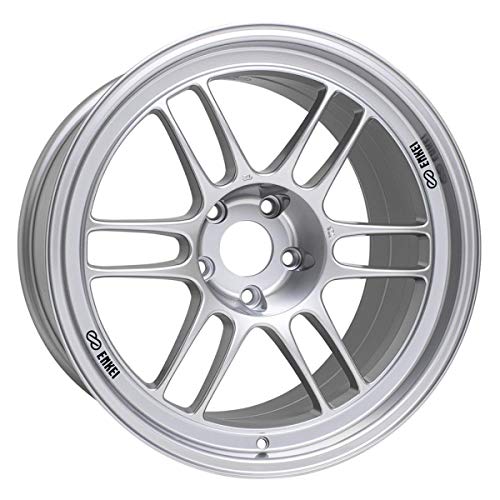
Powder coated wheels are not inherently dangerous, but improper application or damage can create safety risks. The process involves applying a dry powder that is cured under heat, forming a tough finish. When done correctly, powder coating is safe and durable. However, if the coating is applied too thick, not cured properly, or if the wheel has pre-existing damage, it can lead to cracking, peeling, or even wheel failure. This article explains the real risks and how to avoid them.
How Powder Coating Affects Wheel Integrity
Powder coating adds a layer of material (typically 2-4 mils thick) to the wheel surface. This layer does not weaken the wheel structurally if applied correctly. However, the curing process involves heating the wheel to around 350-400°F (175-200°C). Most aluminum wheels can handle this temperature, but some aftermarket or older wheels may have heat-treated areas that could be affected. The risk is low for modern wheels, but always check with the manufacturer. A bigger concern is if the coating is applied over existing damage like cracks or corrosion. The coating can hide these flaws, leading to undetected structural issues. Always inspect wheels thoroughly before coating.
Heat Dissipation and Brake Performance
One common worry is that powder coating traps heat, causing brakes to overheat. In reality, the thin coating has minimal impact on heat transfer. Brake heat is primarily dissipated through the rotor and air flow around the wheel. However, if the coating is applied too thick (over 6 mils) or inside the barrel where it can flake off, it may slightly reduce heat dissipation. More importantly, powder coating on the brake mounting surface can cause runout or vibration if not masked properly. Ensure the coating is removed from the hub mounting face and lug nut seats to maintain proper clamping force and prevent wheel loosening. A reputable shop will mask these areas.
Durability and Chipping Risks
Powder coating is more durable than paint but can still chip from road debris or improper handling. Chipped edges can expose the underlying metal to moisture and salt, leading to corrosion. If the chip is large, the coating may peel further. While this is not a safety hazard for the wheel structure, it can create sharp edges that could cut tires or hands. To minimize risks, choose a high-quality powder and application process. Avoid cheap coatings that are brittle. Regularly inspect your wheels for chips and touch them up with matching paint to prevent corrosion. For off-road or heavy-use vehicles, consider a thicker protective coating or a clear top coat.
When Powder Coating Can Be Dangerous
Powder coating becomes dangerous in specific scenarios: (1) If the wheel has been previously repaired or welded, the heat from curing can weaken the repair. (2) If the wheel is made of magnesium or other exotic alloys, the curing temperature may cause micro-cracking. (3) If the coating is applied to the inside of the wheel where it can flake off and clog brake calipers or cause imbalance. (4) If the wheel is used for track racing where extreme heat cycles can cause the coating to delaminate. In these cases, avoid powder coating or use a specialized low-temperature powder. Always disclose wheel history to your coater. For daily driving, powder coating is safe and widely used by OEMs and aftermarket shops.
Frequently Asked Questions
Can powder coating cause wheel cracks?
Powder coating itself does not cause cracks, but the heat during curing can exacerbate existing micro-cracks or weak spots. If a wheel has hidden damage, the thermal stress may make it visible. Always inspect wheels before coating.
Is powder coating safe for forged wheels?
Yes, forged wheels are typically heat-treated and can withstand the curing temperature. However, check with the wheel manufacturer for specific recommendations. Some high-end forged wheels may require low-temperature cure powders.
Does powder coating affect wheel balance?
If applied evenly, powder coating adds minimal weight (usually less than 10 grams per wheel) and does not affect balance. However, if the coating is thick or uneven, it can cause imbalance. Reputable shops ensure even application.
The Bottom Line
Powder coated wheels are safe for most vehicles when applied by a professional using proper techniques. The key risks are from pre-existing damage, improper masking, or very thick coatings. For daily driving, the benefits of durability and appearance outweigh the minimal risks. For track use or exotic wheels, consult a specialist. To learn more about wheel care, check out our wheels category for additional guides.