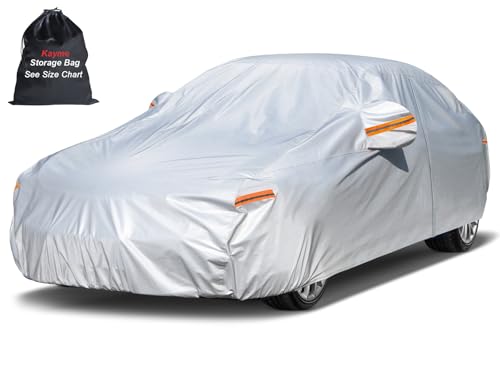
Yes, hail protection covers are worth it for daily drivers if you live in a high-risk hail zone and park outside. They can prevent expensive body damage, but they are not a perfect solution. You need to weigh the cost of the cover against potential repair bills and consider the hassle of putting it on and taking it off regularly.
How Much Do Hail Covers Cost vs. Hail Damage Repairs?
A quality hail protection cover ranges from $100 to $400, depending on size and thickness. In contrast, hail damage repair costs average $2,500 to $10,000 for minor to moderate damage, and can exceed $15,000 for severe dents. Insurance deductibles for comprehensive claims are often $500 to $1,000, so a cover can pay for itself after one storm if your deductible is high. However, if you have a low deductible or live in a low-risk area, the math may not work in your favor.
Do Hail Covers Actually Protect Against All Sizes of Hail?
Most covers are tested for hail up to 1.5 to 2 inches in diameter. They use multiple layers of foam, padding, and reflective material to absorb impact. For golf-ball-sized hail (1.75 inches) and smaller, they typically prevent dents. But for larger hail (2 inches or more), the protection is less reliable; you may still get some dents or even torn covers. The cover’s effectiveness also depends on proper installation, it must be secured tightly to avoid flapping, which can cause paint scratches. No cover guarantees 100% protection, especially in extreme storms.
What Are the Downsides of Using a Hail Cover Daily?
The biggest downside is convenience. Putting on a full car cover takes 5 to 10 minutes, and taking it off adds more time. If you drive daily, you will have to do this repeatedly, which can be frustrating. Covers can also trap moisture underneath, leading to paint damage or mold if not dried properly. Additionally, covers can be stolen or damaged by wind. Some covers are bulky to store in the trunk. For daily drivers, a lightweight, easy-to-use cover is essential, but even then, the routine may not be sustainable for everyone.
What Features Should You Look for in a Hail Cover?
Look for covers with a high density foam core (at least 10mm thick) and a reflective outer layer to deflect heat. Ensure it has reinforced tie-down straps or elastic hems to keep it secure in wind. A soft inner lining prevents scratches. Covers with a rating for hail up to 2 inches offer better peace of mind. Check for breathable materials to reduce moisture buildup. Some covers include a storage bag and antenna patch. For daily drivers, a cover that can be put on by one person in under 5 minutes is ideal. You can find top-rated options in our car covers guide.
Frequently Asked Questions
Can I leave a hail cover on my car all the time?
It is not recommended to leave a hail cover on for extended periods, especially in wet or sunny conditions. Moisture trapped under the cover can damage paint, and UV rays can degrade the cover material. Remove the cover when the threat of hail passes and allow the car to dry.
Will a hail cover protect my car from other weather like snow or sun?
Many hail covers also offer some protection against UV rays, light snow, and dust, but they are not designed as all-weather covers. For snow, a thicker cover may help, but you still need to clear snow off the cover. For sun protection, a reflective cover can reduce interior heat, but it is not a replacement for a dedicated sunshade.
Are there insurance discounts for using a hail cover?
Some insurance companies offer small discounts (5-10%) for using approved hail protection devices, but it is not common. Check with your insurer. The bigger financial benefit is avoiding a claim altogether, which can prevent premium increases.
The Bottom Line
For daily drivers in hail-prone areas like the Great Plains or Rocky Mountains, a hail protection cover is a smart investment if you park outside. It can save you thousands in repairs and the headache of dealing with insurance. But if you live in a low-risk area or have a garage, the cost and hassle may not be justified. Choose a high-quality cover that fits your car well and is easy to use. For more recommendations, see our best car covers.