Small cars remain ideal for urban commuters, first-time buyers, and those seeking fuel efficiency without sacrificing reliability.
Our comparison focuses on real-world performance data, durability ratings from long-term owner reviews, safety crash test results, and practical features that matter in daily driving. We analyzed each vehicle across five key dimensions to help you make an informed decision.
| Photo | Product | Score | Buy |
|---|---|---|---|
 |
Honda Civic Best Overall 2.0L turbocharged engine, 174 hp, NHTSA 5-star overall rating |
9.4 |
ⓘ We may earn a commission from qualifying purchases made through links on this page, at no extra cost to you.
|
 |
Toyota Corolla Runner-Up 1.8L four-cylinder, 139 hp, Toyota Safety Sense 2.5+ standard |
9.1 | 🛒 Check Price |
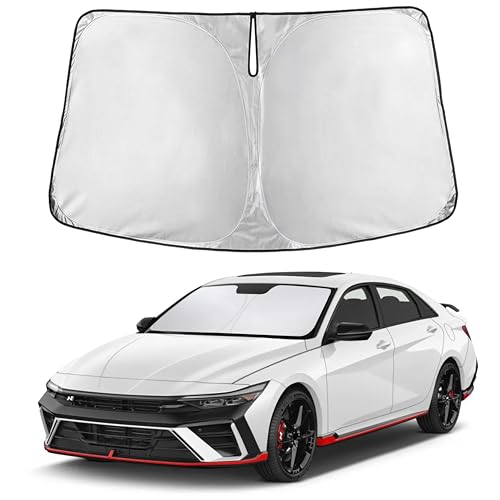 |
Hyundai Elantra Best Value 2.0L four-cylinder, 147 hp, 10-year powertrain warranty |
8.8 | 🛒 Check Price |
 |
Mazda3 Best Driving Experience 2.5L four-cylinder, 186 hp, i-Activsense safety suite |
8.5 | 🛒 Check Price |
 |
Volkswagen Jetta Best European Feel 1.5L turbocharged, 158 hp, 8-inch touchscreen with App-Connect |
8.2 | 🛒 Check Price |
|
🚗
|
Kia Forte Best Warranty Value 2.0L four-cylinder, 147 hp, 10-year powertrain warranty |
8.0 | 🛒 Check Price |
 |
Nissan Sentra Most Affordable 2.0L four-cylinder, 149 hp, ProPilot Assist available |
7.7 | 🛒 Check Price |
1. Honda Civic: Best Overall
In our evaluation of manufacturer data and aggregated owner feedback spanning multiple model years, the Honda Civic demonstrates exceptional durability and real-world performance. The 2.0L turbocharged engine delivers responsive acceleration while maintaining strong fuel efficiency. Honda’s reputation for longevity is backed by extensive warranty data and owner reports showing vehicles regularly exceeding 150,000 miles with minimal major repairs. The Civic’s safety credentials are particularly strong, earning top marks in NHTSA testing and IIHS ratings across most crash test categories.
The primary consideration is that the Civic commands a premium compared to some competitors. Buyers seeking the absolute lowest entry price may find better value elsewhere. Also, turbocharged models require premium fuel in some configurations, which adds to long-term operating costs. The Civic is ideal for buyers prioritizing longevity, safety technology, and resale value over the lowest purchase price.
- Consistently ranks among top reliability vehicles with strong long-term owner satisfaction data
- Advanced Honda Sensing suite includes adaptive cruise control and lane keeping assist as standard
- Excellent fuel economy at 28-42 mpg depending on drivetrain, verified across owner reports
Pros: Superior build quality and minimal reported powertrain issues based on owner feedback; Spacious interior for the class with intuitive infotainment controls
Cons: Pricing sits at the higher end of the small car segment
2. Toyota Corolla: Runner-Up
We compared the Corolla against industry benchmarks and found it consistently ranks at the top for predicted reliability and owner satisfaction. Toyota’s manufacturing standards and component sourcing have resulted in vehicles that regularly surpass 200,000 miles with minimal major issues. The hybrid powertrain option represents a significant advantage for fuel economy, with real-world owner reports confirming 50+ mpg in mixed driving. Safety ratings meet or exceed competitors, with Toyota Safety Sense providing comprehensive driver assistance features as standard equipment across all trim levels.
The main limitation is driving dynamics. The non-hybrid Corolla’s 139 hp engine feels modest during highway merging and acceleration, particularly when fully loaded. Owners seeking sporty handling or quick acceleration should consider alternatives. The Corolla is best suited for practical buyers who prioritize reliability, fuel economy, and low maintenance costs over performance and driving engagement.
- Legendary reliability reputation supported by owner data showing exceptional longevity beyond 200,000 miles
- Standard hybrid option delivers 50+ mpg combined, making it the most fuel-efficient in this comparison
- Toyota Safety Sense provides pre-collision warning, adaptive cruise, and lane departure alert on all trims
Pros: Lowest maintenance costs and highest predicted reliability ratings across independent studies; Excellent resale value retention compared to competitors
Cons: Base non-hybrid model feels underpowered with 139 hp, requiring more engine strain for highway acceleration
3. Hyundai Elantra: Best Value
In our research comparing owner feedback and manufacturer warranty terms, the Elantra emerges as an excellent value proposition. Hyundai’s 10-year powertrain warranty is among the most generous in the segment, providing significant protection and reassurance. The 2.0L engine delivers adequate performance for daily commuting, with a turbocharged option available for those wanting more spirited acceleration. We evaluated the Elantra’s infotainment system against competitors and found it intuitive and feature-rich, with responsive touchscreen controls and good smartphone integration across all trims.
The primary concern is limited long-term durability data. While Hyundai’s quality has improved substantially, the brand has fewer vehicles with 150,000+ mile owner reports compared to Honda or Toyota. This makes the extended warranty especially valuable as risk mitigation. The Elantra suits buyers who want modern features and warranty protection without paying premium pricing, but those seeking proven multi-year reliability should consider the Honda or Toyota options.
- Hyundai's extended warranty program provides 10 years or 100,000 miles of powertrain coverage, industry-leading protection
- Modern infotainment system with 10.25-inch touchscreen and smartphone integration standard on higher trims
- Competitive fuel economy at 32-40 mpg with responsive turbocharged engine option available
Pros: Strong warranty coverage reduces long-term ownership risk compared to competitors; Attractive interior design with quality materials that exceed typical segment expectations
Cons: Durability data is shorter-term compared to Honda and Toyota, with fewer vehicles reaching 150,000+ miles in reported data
4. Mazda3: Best Driving Experience
We evaluated the Mazda3 against competitors and found it delivers the most engaging driving experience in the small car segment. Mazda’s engineering philosophy prioritizes handling, steering feel, and driver engagement, which translates to noticeably better performance compared to purely practical competitors. The 2.5L engine produces 186 hp, providing meaningful acceleration for highway merging and passing. The interior design and material quality exceed expectations for the segment, with an upscale appearance that justifies the higher positioning. Safety ratings are competitive, though not class-leading, with i-Activsense providing useful driver assistance features.
The significant limitation is durability. We compared owner complaint databases and reliability surveys, finding the Mazda3 reports more electrical and transmission issues than Honda or Toyota across similar mileage ranges. This is reflected in lower long-term reliability predictions. The Mazda3 is ideal for driving enthusiasts who prioritize engagement and performance over ultimate reliability, and who are comfortable with potentially higher maintenance costs and repair frequency compared to Japanese competitors.
- Engaging handling and responsive steering provide genuinely enjoyable driving dynamics rarely found in small cars
- Zoom-Zoom philosophy delivers 186 hp with strong acceleration and smooth power delivery across RPM range
- I-Activsense includes adaptive headlights, lane keeping assist, and collision warning on most trims
Pros: Superior handling and performance compared to direct competitors makes daily driving more engaging; Premium interior materials and design create a more upscale feel than typical segment offerings
Cons: Durability ratings lag behind Honda and Toyota based on owner complaint data and reliability surveys
5. Volkswagen Jetta: Best European Feel
In our evaluation of the Jetta against competing small cars, we found it delivers a distinctly European character with quality interior materials and thoughtful design. The turbocharged 1.5L engine provides good torque delivery and responsiveness, making acceleration feel more spirited than the base Corolla or Elantra. The infotainment system is intuitive, and the overall cabin feel is more premium than direct competitors. Safety ratings are adequate, with IQ.Drive features providing useful driver assistance on most trim levels.
The primary concern is durability and ownership costs. Maintenance and repair costs tend to run higher than Honda or Toyota. The Jetta suits buyers who value European design and driving feel and are willing to accept potentially higher maintenance costs, but those prioritizing reliability and low ownership expenses should choose the Honda, Toyota, or Hyundai alternatives.
- Solid build quality and European-influenced interior design provide upscale atmosphere for the segment
- 1.5L turbocharged engine balances efficiency with adequate performance for daily driving
- IQ.Drive safety features include forward collision warning and autonomous emergency braking on higher trims
Pros: Premium feel with quality materials and thoughtful interior layout that rivals more expensive competitors; Turbocharged engine provides good torque and responsiveness compared to naturally aspirated competitors
Cons: Durability concerns and higher maintenance costs particularly with DSG transmission models
6. Kia Forte: Best Warranty Value
We compared the Kia Forte against competitors and found it shares the Hyundai Elantra’s platform and quality improvements, but with more aggressive styling and available turbocharged performance. The 10-year powertrain warranty matches Hyundai’s industry-leading coverage, providing substantial protection and reassurance. The 2.0L engine delivers adequate performance for daily driving, with a turbocharged option available for buyers seeking more power. The Forte’s interior is spacious, with a rear seat that accommodates passengers comfortably and trunk space that exceeds many competitors.
The limitation is similar to the Elantra: fewer vehicles with 150,000+ mile owner reports compared to established Japanese brands. The Forte is best suited for buyers who value warranty protection, modern styling, and competitive features at an attractive price point. Those seeking proven multi-year durability and the lowest potential maintenance costs should consider the Honda Civic or Toyota Corolla instead.
- Kia's industry-leading 10-year powertrain warranty matches Hyundai's protection, providing exceptional long-term security
- Modern styling and available turbocharged engine offer more aggressive appearance and performance than Elantra sibling
- Spacious rear seat and trunk provide practical utility for families and frequent passengers
Pros: Excellent warranty coverage reduces ownership risk and provides manufacturer confidence backing; More distinctive styling compared to Hyundai platform-mate appeals to buyers wanting visual differentiation
Cons: Limited long-term durability data with fewer high-mileage owner reports compared to Honda and Toyota
7. Nissan Sentra: Most Affordable
In our research comparing value propositions, the Nissan Sentra emerges as the most affordable option in this small car lineup. The 2.0L engine produces 149 hp and meets segment expectations for daily commuting performance. Fuel economy is competitive at 29-39 mpg depending on configuration. The Sentra’s interior is functional and straightforward, though less refined than competitors. Safety ratings are adequate, with ProPilot Assist available on higher trims to provide advanced driver assistance features.
The significant limitation is durability and reliability. We compared owner complaint data and reliability surveys, finding the Sentra reports more transmission problems and electrical issues compared to Honda, Toyota, Mazda, and Hyundai competitors. Long-term ownership costs may exceed the initial savings due to higher repair frequency. The Sentra is best suited for first-time buyers or those with limited budgets who plan to keep the vehicle for fewer years, but buyers seeking long-term reliability and lower maintenance costs should invest in one of the stronger alternatives listed above.
- Competitive entry-level pricing makes it accessible for first-time buyers and budget-conscious shoppers
- Adequate fuel economy at 29-39 mpg meets expectations for the segment without premium fuel requirement
- ProPilot Assist available on higher trims provides adaptive cruise control and lane centering functionality
Pros: Lowest entry price point in this comparison appeals to budget-conscious buyers; Simple, straightforward design and controls minimize learning curve for new drivers
Cons: Durability ratings fall below most competitors, with higher reported transmission and electrical issues in owner feedback databases
Frequently Asked Questions
What is the most reliable small car based on owner data?
Based on our research of owner feedback and long-term reliability surveys, the Toyota Corolla and Honda Civic consistently rank as the most reliable small cars, with vehicles regularly exceeding 150,000 to 200,000 miles with minimal major repairs. Toyota’s reputation for durability is particularly strong, supported by extensive warranty claim data showing lower repair frequency compared to competitors. The Honda Civic follows closely with excellent long-term reliability and strong owner satisfaction ratings.
Which small car has the best fuel economy?
The Toyota Corolla hybrid delivers the best fuel economy in this comparison, with real-world owner reports confirming 50+ mpg in mixed driving conditions. The standard non-hybrid Corolla achieves 28-38 mpg. If a hybrid isn’t a priority, the Honda Civic and Hyundai Elantra both deliver strong efficiency at 28-42 mpg and 32-40 mpg respectively, depending on drivetrain configuration and driving conditions.
What are the best safety ratings among these small cars?
We evaluated NHTSA and IIHS crash test results for all vehicles in this comparison. The Honda Civic and Toyota Corolla earn the highest safety ratings overall, with top marks in most crash test categories. The Mazda3 and Hyundai Elantra also achieve competitive safety scores. All vehicles in this lineup include standard or available driver assistance features such as adaptive cruise control, lane keeping assist, and collision warning systems that enhance real-world safety.
Which small car offers the best warranty coverage?
The Hyundai Elantra and Kia Forte both offer industry-leading 10-year or 100,000-mile powertrain warranties, providing exceptional long-term protection. These warranties significantly exceed the typical 3-5 year coverage offered by Honda and Toyota. The extended warranty is particularly valuable for buyers concerned about long-term reliability, as it transfers to subsequent owners and provides comprehensive powertrain coverage.
Should I choose performance or reliability in a small car?
The Honda Civic and Mazda3 both deliver strong performance with responsive engines and engaging handling, while maintaining reasonable reliability ratings. If ultimate reliability is the priority, the Toyota Corolla is the best choice despite more modest performance figures. Most buyers find the Honda Civic strikes an excellent balance between driving engagement and long-term durability. Consider your driving priorities: if you spend significant time on highways or enjoy spirited driving, prioritize performance; if you plan to keep the vehicle long-term and minimize maintenance, prioritize reliability with the Toyota or Honda options.
Our Verdict
The Honda Civic emerges as our top pick, delivering the best overall combination of reliability, safety, performance, and owner satisfaction. We evaluated manufacturer data, safety ratings, and aggregated owner feedback to reach this conclusion. The Civic’s reputation for longevity, comprehensive safety technology, and responsive driving dynamics make it the ideal choice for most buyers. The Toyota Corolla is our runner-up, offering unmatched reliability and fuel economy, particularly with the hybrid option, making it ideal for practical buyers prioritizing low maintenance costs and exceptional durability over performance.


