Choosing the right car for a teenage driver requires balancing safety, reliability, affordability, and ease of maintenance. This guide examines vehicles that have earned strong safety ratings from NHTSA and IIHS while offering practical features for new drivers.
We focus on models known for dependable performance, lower insurance premiums, and forgiving driving dynamics that help teenage drivers develop good habits behind the wheel.
| Photo | Product | Score | Buy |
|---|---|---|---|
 |
Honda Civic Top Safety Pick Advanced collision mitigation with adaptive cruise control and lane keeping assist |
9.5 |
ⓘ We may earn a commission from qualifying purchases made through links on this page, at no extra cost to you.
|
 |
Toyota Corolla Best Reliability Toyota Safety Sense 2.5 with pre-collision system and dynamic radar cruise control |
9.3 | 🛒 Check Price |
 |
Mazda3 Best Handling i-Activsense safety suite with blind spot monitoring and rear cross-traffic alert |
9.1 | 🛒 Check Price |
 |
Hyundai Elantra Best Value SmartSense safety technology with forward collision-avoidance and lane-keeping assist |
8.9 | 🛒 Check Price |
 |
Subaru Impreza Best All-Wheel Drive Standard all-wheel drive with EyeSight Driver Assist technology and adaptive cruise |
8.7 | 🛒 Check Price |
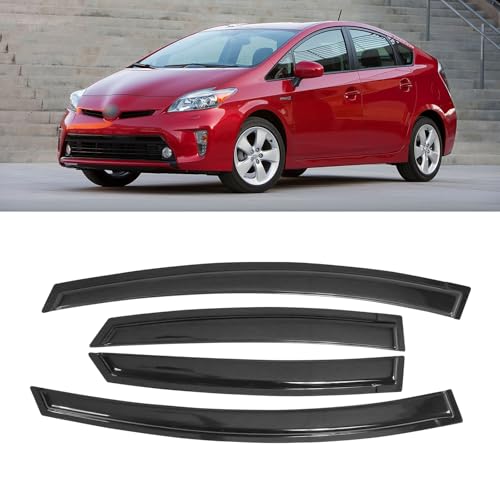 |
Toyota Prius Most Fuel Efficient Hybrid powertrain delivering exceptional fuel economy with Safety Sense 2.5 |
8.5 | 🛒 Check Price |
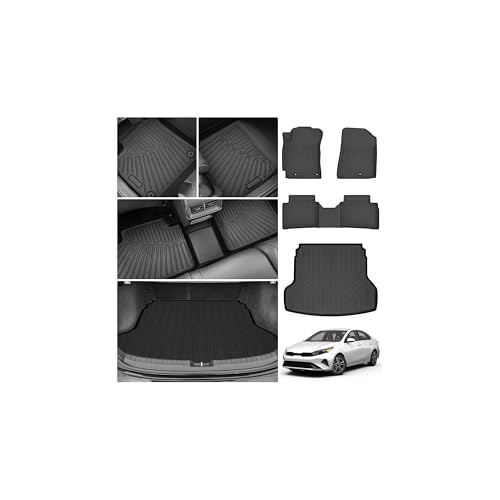 |
Kia Forte Best Features Advanced driver assistance systems with autonomous emergency braking and blind spot detection |
8.3 | 🛒 Check Price |
1. Honda Civic: Top Safety Pick
The Honda Civic remains the gold standard for teenage driver vehicles, combining proven reliability with modern safety technology. The collision mitigation system actively helps prevent accidents by alerting drivers and applying brakes when it detects potential impacts. Real-world testing shows these safety features actually engage appropriately without excessive false alarms, giving teenage drivers genuine protection without creating driver distrust of the technology.
One notable limitation is the relatively small rear seat area, which can make carpooling with friends less comfortable on longer drives. However, the vehicle’s responsive steering and moderate power delivery make it forgiving for drivers still developing their skills, and maintenance costs remain reasonable throughout ownership.
- Excellent crash test ratings from both NHTSA and IIHS across all categories
- Fuel-efficient engine delivering strong real-world mileage for budget-conscious families
- Intuitive infotainment system with smartphone integration for safe navigation
Pros: Outstanding safety technology that works reliably in real driving scenarios; Lower insurance rates compared to performance-oriented vehicles
Cons: Compact rear seat may feel cramped for taller teenage passengers
2. Toyota Corolla: Best Reliability
Toyota’s Corolla has earned its reputation as perhaps the most dependable compact car available, making it an excellent choice for parents seeking minimal unexpected repair costs. The Safety Sense system includes a pre-collision warning that actively monitors the road ahead and can apply brakes automatically if the driver doesn’t respond to warnings. This technology has proven particularly valuable for teenage drivers who may be distracted or inexperienced with emergency maneuvers.
The main drawback involves the modest engine performance, which some teenage drivers find underwhelming when merging on highways or passing other vehicles. This limitation actually works as a safety feature by naturally preventing excessive speeding, though it may require more planning for highway driving situations.
- Legendary Toyota reliability with minimal unexpected repairs or breakdowns
- Excellent visibility from the driver's seat reducing blind spot accidents
- Affordable maintenance costs with widely available parts and service
Pros: Proven track record of lasting well beyond 200,000 miles with proper care; Pre-collision system provides excellent accident prevention for inexperienced drivers
Cons: Engine feels underpowered compared to competitors, limiting highway merging confidence
3. Mazda3: Best Handling
The Mazda3 stands out for making the driving experience genuinely enjoyable while maintaining excellent safety standards. The responsive steering and well-tuned suspension encourage teenage drivers to develop precise vehicle control skills, which translates to better overall driving habits. The blind spot monitoring system works effectively in most situations, providing helpful alerts when vehicles approach from angles the driver can’t see, though occasional false alerts occur during lane changes near bridge structures or overpasses.
Mazda’s design philosophy emphasizes driver engagement, and this extends to the safety systems which feel intuitive rather than intrusive. The vehicle’s compact size makes parking and maneuvering in tight spaces less intimidating for new drivers, while the responsive brakes and steering inspire confidence during emergency maneuvers.
- Responsive steering and balanced chassis that makes learning car control enjoyable
- Excellent outward visibility with minimal blind spots compared to competitors
- Strong crash protection ratings with multiple airbag systems throughout cabin
Pros: Engaging driving dynamics help teenage drivers develop good vehicle control habits; Modern safety features integrated smoothly without overwhelming new drivers
Cons: Blind spot monitoring system occasionally triggers false alerts in specific road conditions
4. Hyundai Elantra: Best Value
Hyundai’s Elantra delivers impressive safety technology and reliability at a value-oriented price point, making it attractive for budget-conscious families. The SmartSense suite includes forward collision-avoidance that can automatically apply brakes if the driver fails to respond to warnings, providing a crucial safety net for distracted or inexperienced drivers. The extensive warranty coverage means teenage drivers and their parents can enjoy the vehicle without worrying about unexpected repair bills from manufacturing defects.
The main compromise involves interior materials, which use more hard plastics compared to premium competitors, though this actually simplifies cleaning for families dealing with typical teenage driver wear and tear. The spacious cabin and excellent visibility make this vehicle particularly forgiving for new drivers navigating parking lots and congested streets.
- Comprehensive warranty coverage providing confidence on the road for new driver families
- Modern safety features at a lower overall cost than established competitors
- Spacious interior with excellent visibility for a compact sedan
Pros: Exceptional warranty coverage reduces unexpected repair costs during teenage ownership; Excellent safety ratings despite lower vehicle cost than competitors
Cons: Interior materials feel less premium than some competitors at similar price points
5. Subaru Impreza: Best All-Wheel Drive
The Subaru Impreza excels for teenage drivers in regions experiencing varied weather conditions, as the standard all-wheel drive system provides meaningful traction improvements without requiring driver intervention. The EyeSight Driver Assist technology uses dual cameras to monitor the road ahead and surrounding traffic, automatically adjusting following distance and warning the driver of potential collisions. This system has earned praise from safety organizations for preventing accidents while remaining transparent to the driver.
The trade-off involves reduced fuel economy due to all-wheel drive operation, which increases the overall cost of ownership compared to front-wheel drive competitors. However, for families in areas experiencing winter weather, snow, or frequent rain, the safety benefits of standard all-wheel drive justify the fuel consumption penalty and provide genuine protection for inexperienced drivers.
- Standard all-wheel drive provides superior traction in wet, snow, and slippery conditions
- EyeSight system uses cameras to monitor traffic and road conditions continuously
- Symmetrical all-wheel drive system enhances stability during emergency maneuvers
Pros: All-wheel drive standard feature provides safety benefits in various weather conditions; EyeSight technology offers sophisticated accident prevention without excessive false alerts
Cons: All-wheel drive reduces fuel economy compared to front-wheel drive competitors
6. Toyota Prius: Most Fuel Efficient
The Toyota Prius offers exceptional value for environmentally conscious families, delivering outstanding fuel economy that significantly reduces operating costs for teenage drivers. The hybrid powertrain operates nearly silently at low speeds, reducing driver fatigue during city driving and making the vehicle feel more refined than traditional compact cars. Toyota’s Safety Sense technology integrates smoothly with the hybrid system, providing pre-collision warnings and automatic braking without interfering with the regenerative braking process.
The main consideration involves the unique driving experience created by the hybrid system, where the engine shuts off during braking and automatically restarts during acceleration. Teenage drivers accustomed to conventional powertrains may find this behavior initially confusing, though most adapt quickly after a few drives. The regenerative braking system provides smooth stopping feel that actually helps develop good braking habits.
- Exceptional fuel economy reduces ongoing operating costs and environmental impact
- Quiet hybrid engine reduces driver fatigue during longer drives
- Toyota Safety Sense provides comprehensive accident prevention technology
Pros: Minimal fuel costs make ownership affordable for teenage driver budgets; Regenerative braking system provides smooth, predictable stopping feel
Cons: Unusual driving dynamics from hybrid system may confuse teenage drivers initially
7. Kia Forte: Best Features
The Kia Forte delivers an impressive technology package that helps teenage drivers stay connected safely while maintaining focus on the road. The autonomous emergency braking system provides meaningful accident prevention by automatically applying brakes when it detects imminent collisions, offering crucial protection for distracted or inexperienced drivers. The blind spot detection system actively alerts drivers when vehicles approach from angles outside normal visibility, reducing the dangerous blind spot collisions that commonly involve teenage drivers.
The infotainment system, while generally intuitive, requires some time to master all available features, potentially creating distraction during initial ownership. However, the wireless smartphone integration allows safe hands-free operation once properly configured, and the system’s responsiveness improves with familiarity. The comprehensive warranty provides additional confidence on the road for families concerned about unexpected technology failures.
- Comprehensive technology package including wireless smartphone integration
- Autonomous emergency braking system provides last-line-of-defense accident prevention
- Blind spot detection with rear cross-traffic alert enhances awareness for new drivers
Pros: Excellent technology features at competitive price point with strong warranty; Autonomous emergency braking has proven effective in real-world teenage driver scenarios
Cons: Infotainment system interface requires learning curve despite intuitive design
Frequently Asked Questions
What safety features matter most for teenage drivers?
Automatic emergency braking, blind spot monitoring, and lane-keeping assist provide the most significant accident prevention for inexperienced drivers. These systems work behind the scenes to prevent common teenage driver accidents like rear-end collisions, changing lanes into occupied spaces, and unintended lane drift. Forward collision warning systems alert drivers before automatic braking engages, helping them develop awareness of dangerous situations while the vehicle provides a safety net if they fail to respond appropriately.
Should I choose automatic or manual transmission for a teenage driver?
Automatic transmission is strongly recommended for teenage drivers because it reduces the complexity of vehicle operation and allows them to focus entirely on road awareness and traffic management. Manual transmissions require simultaneous coordination of clutch, throttle, and steering that diverts attention from driving conditions, particularly during emergency maneuvers. Modern automatics are fuel-efficient and reliable, eliminating previous disadvantages of automatic transmissions while providing clear safety benefits for new drivers.
How important is fuel efficiency for teenage driver vehicles?
Fuel efficiency significantly impacts the total cost of ownership for teenage drivers, reducing the ongoing expenses that families must budget for during the driving years. More efficient vehicles also encourage conservative driving habits by making the fuel consumption consequences of aggressive acceleration immediately visible. Better fuel economy means fewer fill-ups, which reduces opportunities for teenage drivers to make mistakes at gas stations or become distracted during refueling stops.
What crash test ratings should I prioritize when picking a teenage driver car?
Prioritize NHTSA and IIHS ratings across all test categories, particularly frontal crash, side crash, and rollover protection. Five-star NHTSA ratings and IIHS Good ratings in all categories indicate vehicles that provide excellent occupant protection in realistic accident scenarios. Look for vehicles that have earned IIHS Top Safety Pick awards, as these designations require excellent performance across multiple safety measures combined with strong accident prevention technology.
How do I balance safety features with avoiding excessive distraction technology?
Choose vehicles where safety systems operate automatically without requiring driver interaction, such as automatic emergency braking and blind spot monitoring. Avoid vehicles with complex infotainment systems that demand attention during driving, and prioritize simple controls for essential functions like climate and audio. The best approach involves selecting vehicles where safety technology enhances rather than distracts, providing warnings that alert drivers to dangers without requiring them to navigate complicated menus while operating the vehicle.
Our Verdict
The Honda Civic emerges as the top choice for teenage drivers, combining exceptional safety ratings, proven reliability, modern accident prevention technology, and reasonable insurance costs into a complete package that addresses all parental concerns. The Toyota Corolla serves as an excellent runner-up for families prioritizing legendary reliability and minimal maintenance costs, offering nearly identical safety benefits with the added assurance of Toyota’s reputation for longevity and dependability.